Manufacturer’s agent for Lutron — Eastern Ontario and Western Quebec
Lutron Lighting Controls and Motorized Shades
We design the control system alongside the photometric calculations that drive it. We coordinate the drivers, protocols and motorized shades that make daylight harvesting work, then commission the system on site and stay with it after handover.
Talk to us about a projectWhy Lutron
Lutron is the platform we specify when the controls strategy matters as much as the lighting. Across Eastern Ontario and Western Quebec, it is on nearly every large project we support. It is usually the difference between a building that runs the way it was designed and one that gets its controls overridden in the first month.
Wired or wireless — we specify the right one. For fully integrated whole-building control, Lutron Athena is our wired benchmark. But wired isn’t the only path, and often not the most cost-effective.
Lutron Vive delivers occupancy, daylight and dimming control without control wiring — which changes the maths on new builds and retrofits alike. On new construction, dropping the control wiring means installs up to 70% faster, and the system scales room by room, and onto new floors later, without pulling more wire.
On a retrofit, where that wiring doesn’t exist, Vive adds automatic control to an occupied building with minimal disruption to the people working in it. Some engineers prefer wired — a legitimate choice, and Athena is built for it. Our job is to put the right control layer on the project, wired or wireless.
Flux Lighting is the manufacturer’s agent for Lutron in Eastern Ontario and Western Quebec, and it is the controls platform we specify on most projects.
Call us while the controls scope is still open — before the drivers are bought and the shade pockets are framed. Those are the decisions that are hardest to undo later.
Best fit for
- Corporate offices
- Government workplaces
- Healthcare facilities
- Higher-education and institutional
- Occupied-building retrofits
- LEED and energy-code fit-ups
- Complex daylight-harvesting designs
What we do with Lutron
Concept and zoning
We turn the plans into logical zones and scenes — drawn from the photometry, not guessed at.
Drivers and protocols
0–10 V, DALI and EcoSystem paired correctly, with Hi-lume where the dimming has to hold smoothly at 1%.
Shades and daylight
Sivoia QS and Palladiom integrated for glare control and daylight harvesting.
Emergency and code
LVS Lutron-compatible relays so emergency fixtures go to full output on power loss, whatever the system was doing — UL924 life-safety compliance.
Commission and support
Programmed and commissioned on site — then re-programmed as the building changes.
The design
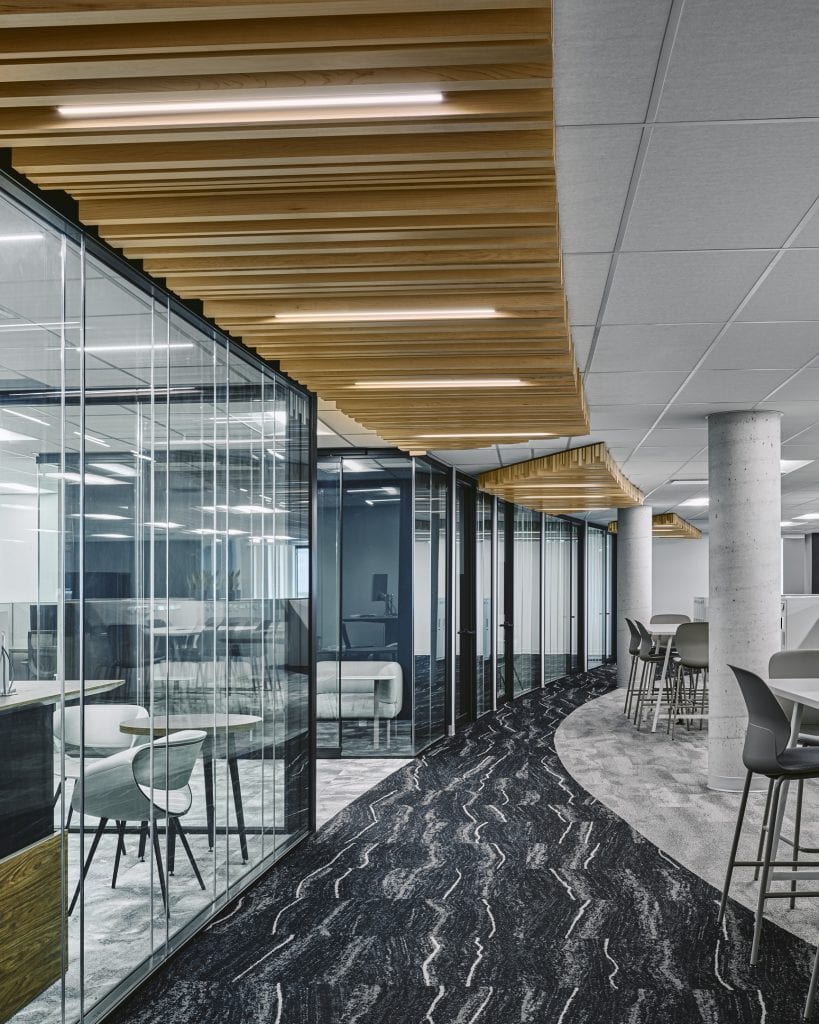
The control zones come out of the photometry, not the other way around. You cannot sensibly dim for daylight until you know what the daylight is doing in each room.
At Kinaxis the photometry was calculated for 202 separate zones before a single scene was programmed — so the control zones followed the light, not the floor plan. The same discipline lets one platform carry two protocols.
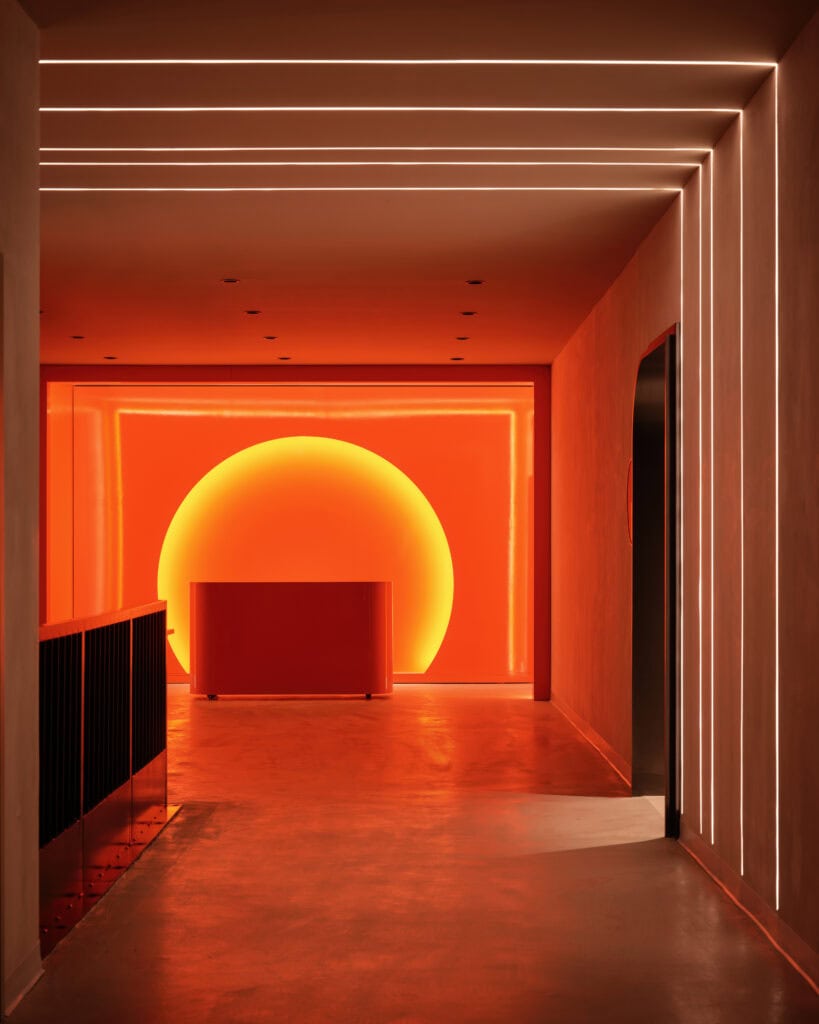
At HISTORY Ottawa the white architectural layer runs on 241 DALI drivers across two links while the colour-changing runs reach the same Athena system through a pair of DMX interfaces — so a venue that has to change character between load-ins does it from one system, not two.
Drivers, protocols and the emergency path
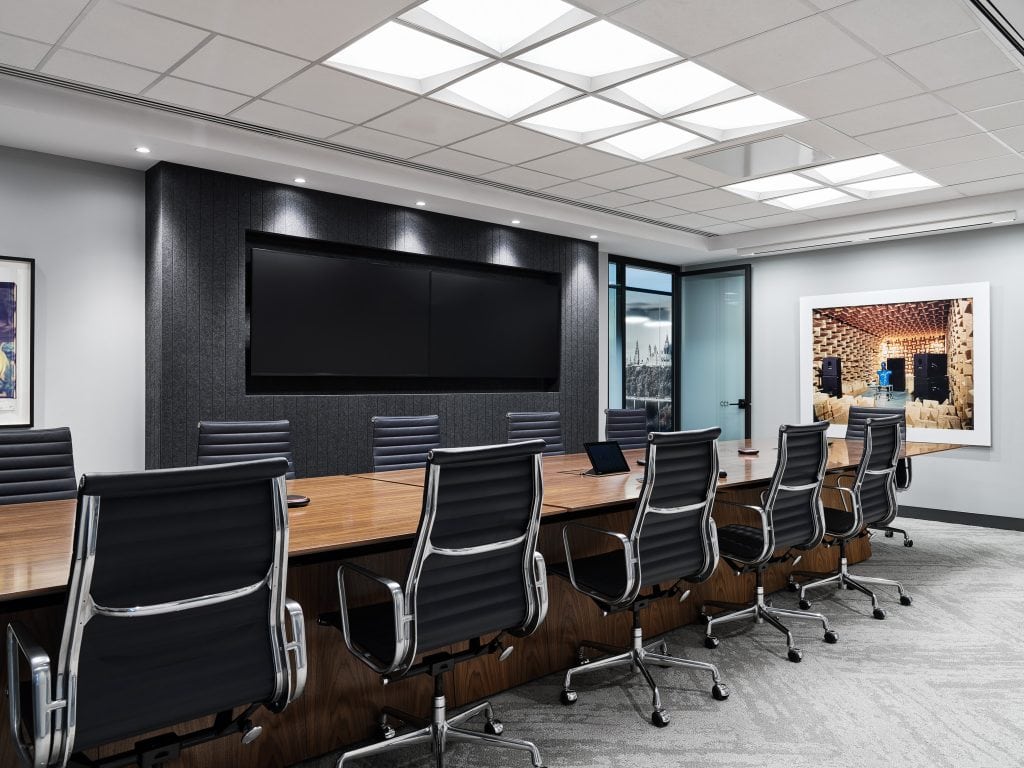
A control system is only as good as what it is wired to. Lutron speaks 0–10 V, DALI and EcoSystem, and the three do not behave the same at the bottom of the dimming curve. We match the driver to the fixture and the protocol to the building — Hi-lume where the dimming has to hold smoothly at 1%.
And we pair it with LVS Lutron-compatible relays, so that on loss of power the emergency fixtures go to full output regardless of what the control system was doing a second earlier. That is a life-safety code requirement, and it is the first thing an electrical engineer will ask about. What the code asks of the emergency layout itself — the two light levels, the duration set by occupancy, and the testing obligation that outlives the installation — is set out here.
The shades are not optional
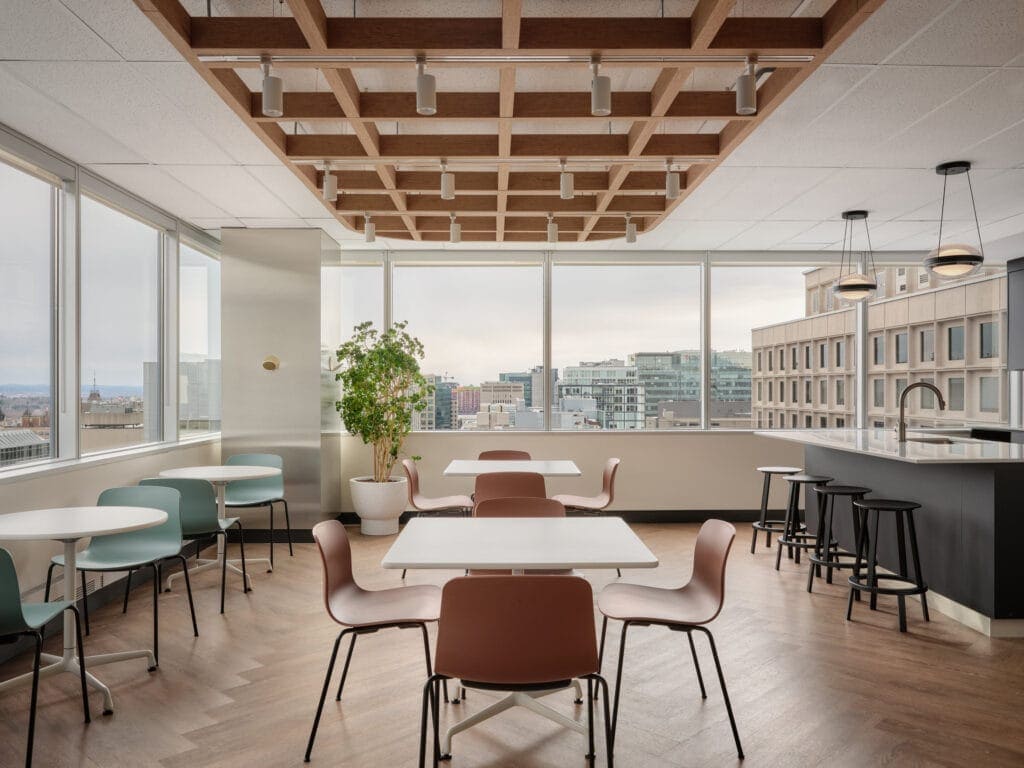
Daylight harvesting is the largest single energy saving available in a commercial lighting design — and it does not work without automated shading.
In Ontario the dimming half is not optional in the literal sense either: both SB-10 compliance paths call for automatic daylight-responsive control in daylighted areas. The code asks for the response, not for the shading — but without the shading the response is chasing a window nobody is managing. Quebec amends that requirement out, which is the one place the argument rests on energy and comfort alone.
Dimming to daylight only works if the daylight is controlled first. Where it isn’t, the occupant solves the glare themselves — the blind comes down by hand, and it never goes back up.
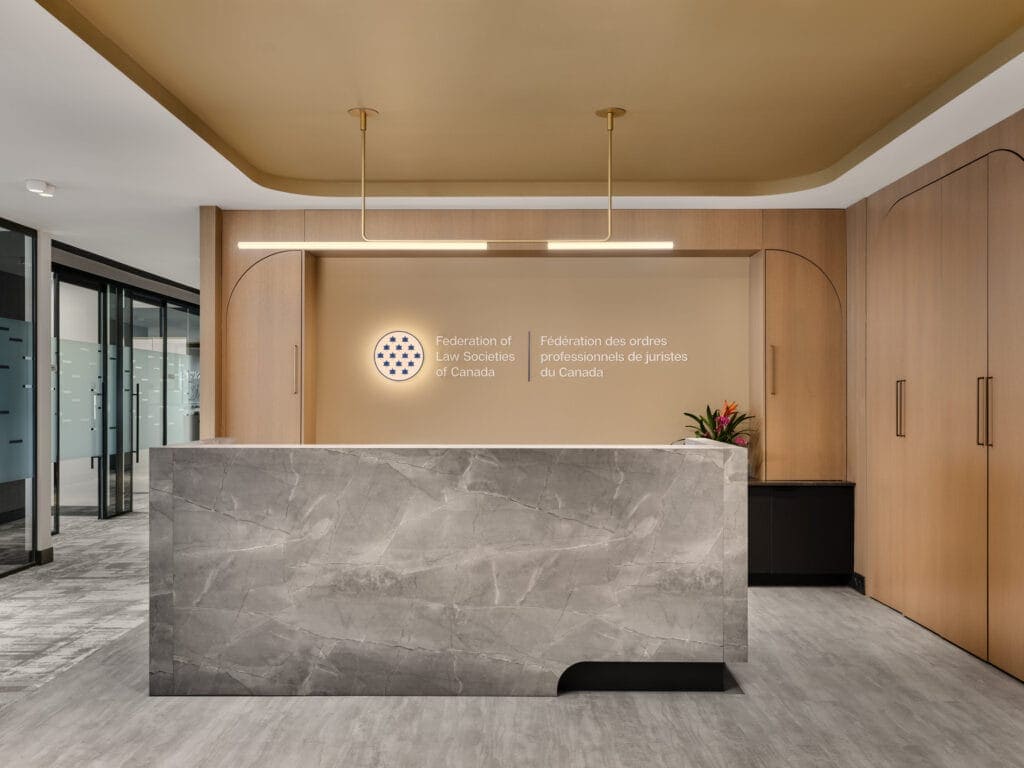
At the Federation of Law Societies of Canada — a LEED Platinum floor at Constitution Square — the shading is sequenced to the sun’s path, so the daylight sensors read a condition we control rather than one that changes hour to hour.
And the wired-or-wireless choice extends to the shades. Lutron’s battery-powered shades run with no wiring at all — three to five years on a set of batteries — so daylight-responsive shading goes into a retrofit or a full-height glass wall without fishing power to every pocket. Lutron rates its battery roller shades at 38 dBA, about the level of a quiet library, measured three feet from a moving shade — which matters in a boardroom where a shade adjusting mid-meeting should not be heard.
Designed for the energy code — Ontario and Quebec
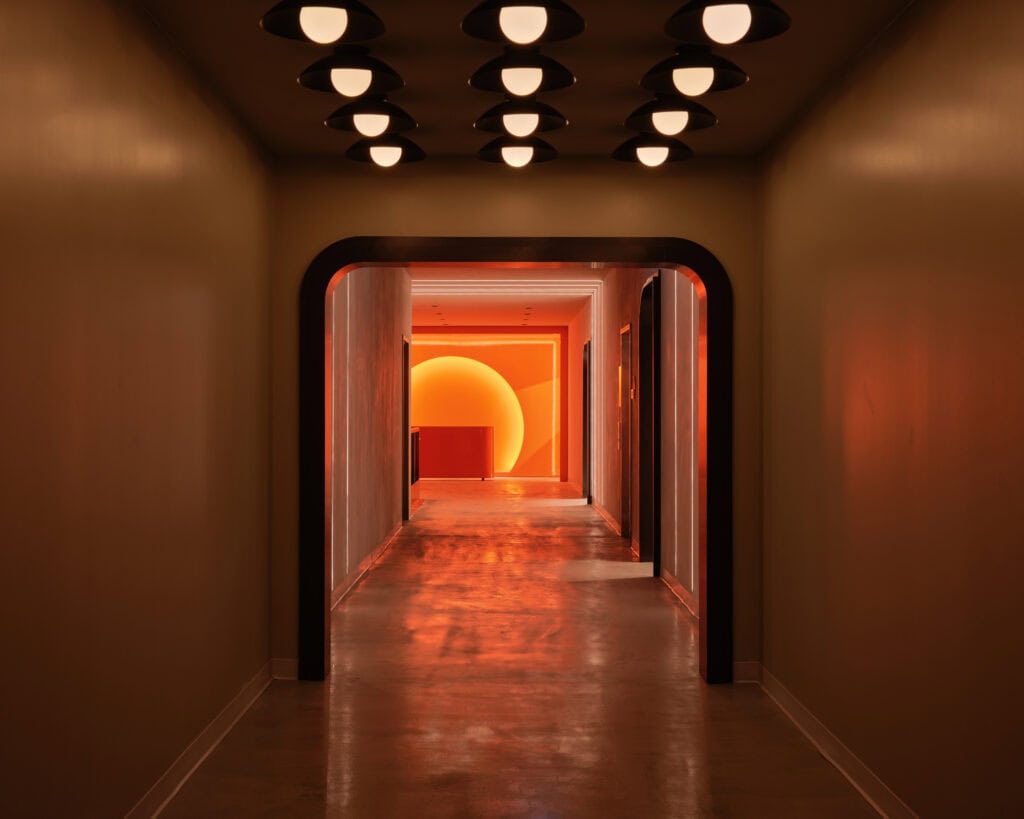
Ontario and Quebec do not ask for the same controls, and if you work both sides of the river the difference is worth knowing precisely. Ontario’s requirements come from OBC Supplementary Standard SB-10, which offers two compliance paths, and both of them call for automatic shut-off, occupancy and vacancy sensing, scheduling and automatic daylight-responsive control. Quebec adopts the National Energy Code for Buildings and then amends it, and those amendments take the daylight-responsive requirements out: its control table carries seven columns where the federal one carries nine. We design to whichever set applies, and we say which one we designed to. Control type by control type, here is what Ontario actually requires.
Lutron’s commercial platforms are built to deliver those strategies, and Lutron publishes Ontario SB-10 application summaries for both the NECB and the ASHRAE path, mapping the control approaches straight to the code. We design the control layer alongside the lighting and photometry, so compliance is built in from the start rather than bolted on later — and stays adaptable as the tenant, the floor plan, or the code changes. Controls are one half of the energy requirement; the wattage allowance is the other, and Ontario sets that in tables of its own.
Why commissioning matters
Controls that nobody understands get bypassed. A system nobody can operate is overridden in week one, and after that it is just an expensive dimmer. Scenes that do not match how the room is actually used get switched to full output and left there. Daylight sensors read a blind that somebody pulled down in March. The energy model says one thing; the building does another.
None of that is a Lutron problem. It is a specification and commissioning problem — which is the part we do. At HISTORY Ottawa we designed the control system and ran the onsite start-up ourselves.
On a room where a duty manager has to change the mood quickly on a show night, that is the difference between a building full of controllable fixtures and one anybody can actually drive. At the Federation of Canadian Municipalities — a Lutron Athena job — that meant matching every scene to how each space is actually used, not to the energy model.
See it before you specify it
Some controls decisions are easier to make with your hands than with a specification sheet. Our Ottawa showroom runs both Lutron platforms live — Athena on the commercial side and a full HomeWorks QS installation, Lutron’s flagship residential system, on the other. Work the Palladiom and Alisse keypads, run the Sivoia QS shades and drapery track, and see Ketra D2 downlights and Lumaris tape light before a single device is specified. For homes, our residential Lutron page covers HomeWorks in full.
What we specify
| System | What it’s for |
|---|---|
| Athena | Lutron’s current platform for whole-building control — cloud-connected lighting, shading and software. Our wired benchmark. |
| Energi Savr Node | Zone-level 0–10 V, DALI and EcoSystem control |
| Vive | Wireless control for new builds and retrofits — no control wiring, up to 70% faster installs, scales without a rewire |
| Sivoia QS | Motorized shading and daylight management |
| Palladiom | Shading where the bracket and hembar are part of the architecture |
| Ketra | Tunable white — colour and intensity across the working day |
| Alisse | Wall controls where the interior designer will be looking at them |
| Hi-lume drivers | Dimming that holds at the bottom of the curve without dropping out |
| LVS relays | Lutron-compatible emergency bypass — UL924 life-safety compliance |
We specify what the building needs, not what is quickest to quote. Talk to us when you are choosing between platforms, or writing the controls spec.
See the range
Browse the Lutron products published to our line card. Manufacturers maintain their own listings — if you can’t find what the drawing calls for, ask us.
Browse Lutron on the line cardWhere we’ve used it
A few of the Ottawa-area installations in our photo library, from a childcare centre to a two-thousand-capacity music venue.
HISTORY Ottawa
Ottawa — Athena on two processors, 241 DALI drivers and a pair of DMX interfaces holding a 2,000-capacity room to a single lighting scheme.
Federation of Law Societies of Canada
Ottawa — daylight harvesting integrated with Lutron Sivoia QS shades on a LEED Platinum floor.

Canadian Commercial Corporation
Ottawa — a full Athena floor where partition sensors re-zone the lighting and eighteen Sivoia QS shades when the boardroom wall closes; daylight harvesting added mid-build on wireless sensors.
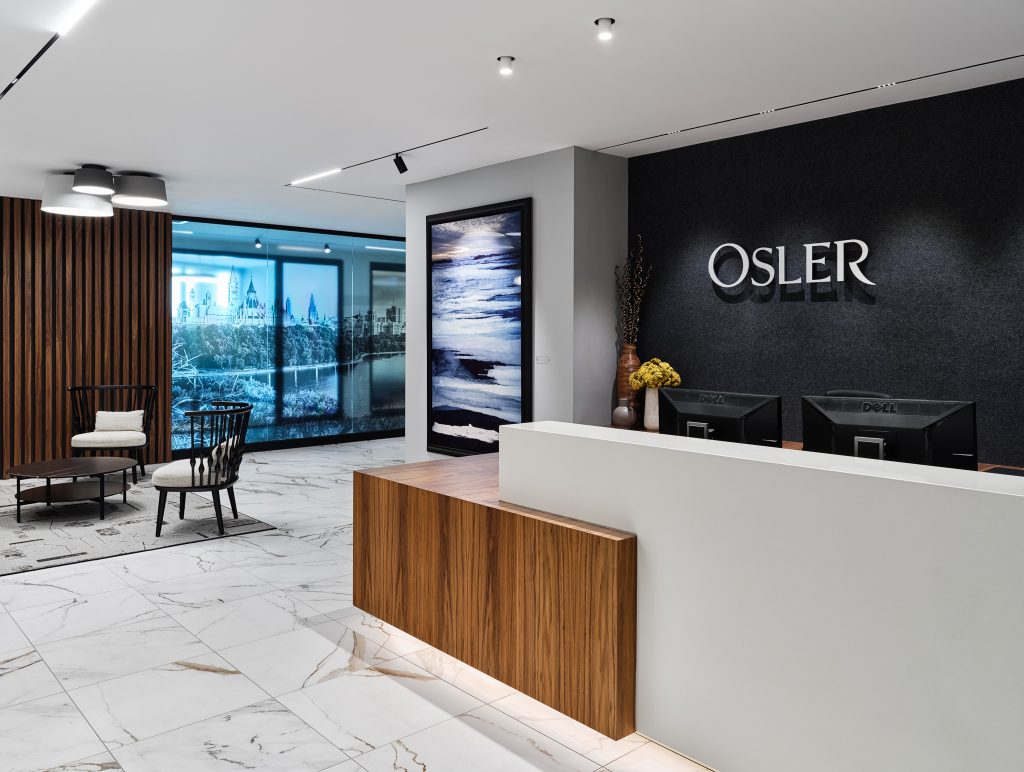
Osler, Hoskin & Harcourt LLP
Ottawa — a national law firm’s two floors on one Lutron system that runs the lighting and twenty-two motorized shades together.
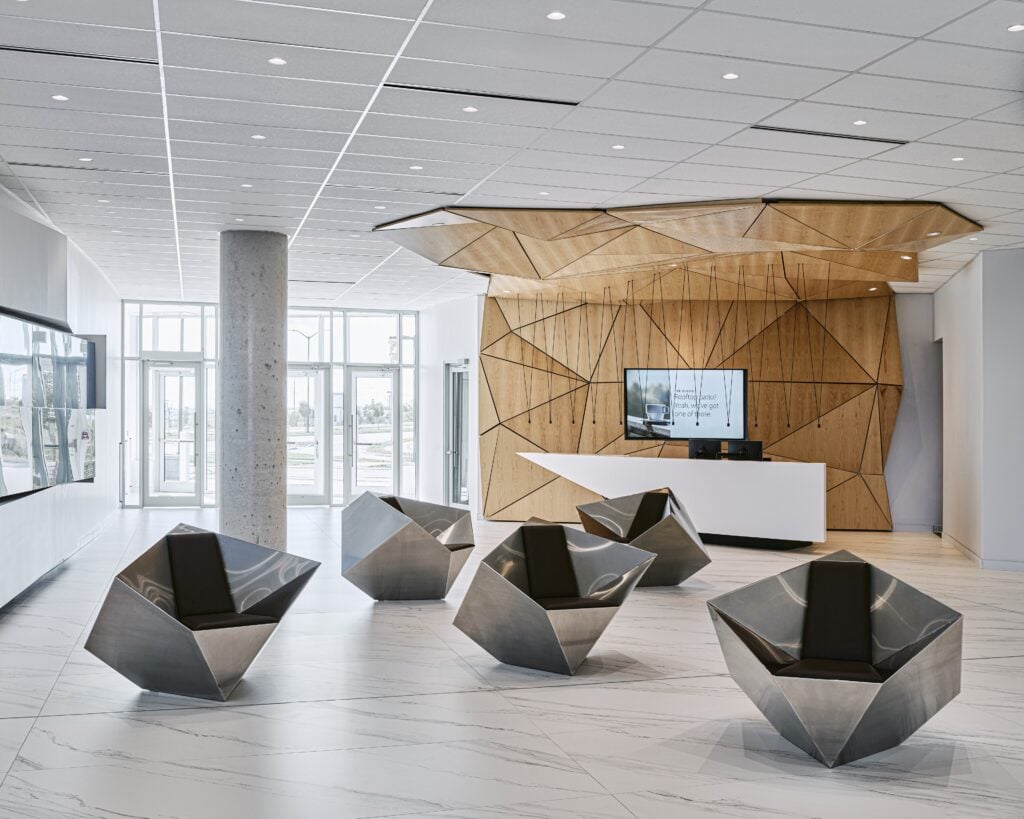
Kinaxis Headquarters
Kanata — WELL-certified headquarters with 202 independently calculated control zones across five floors.
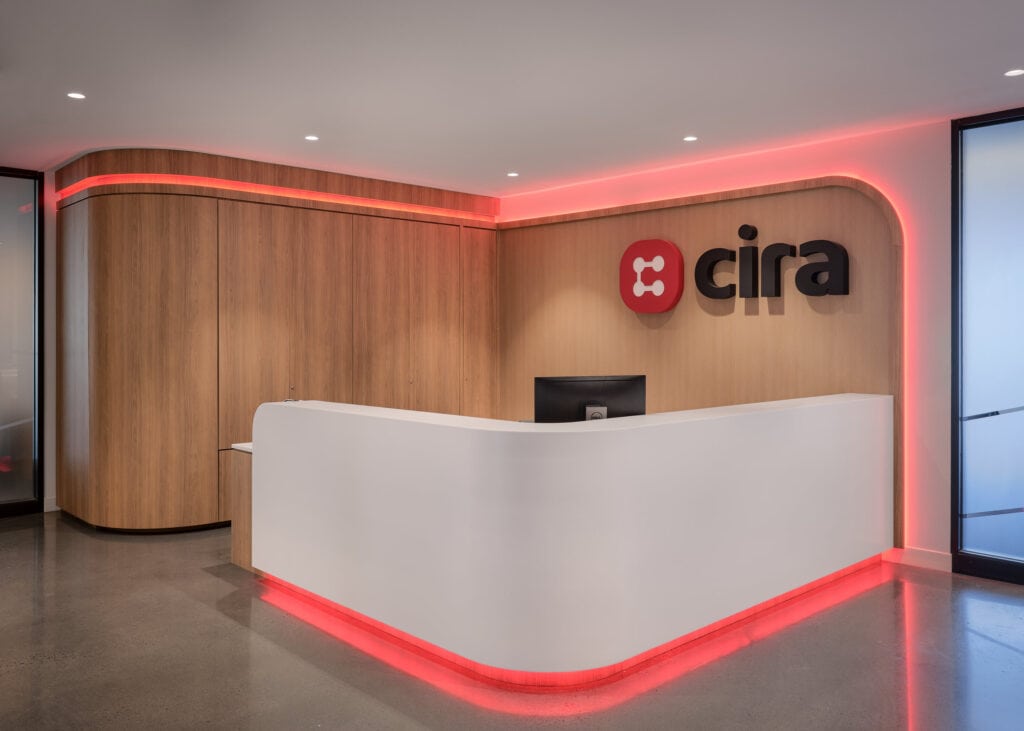
Canadian Internet Registration Authority
Ottawa — occupancy sensing and 0-10V dimming across two floors, with automatic shutoff that meets code.
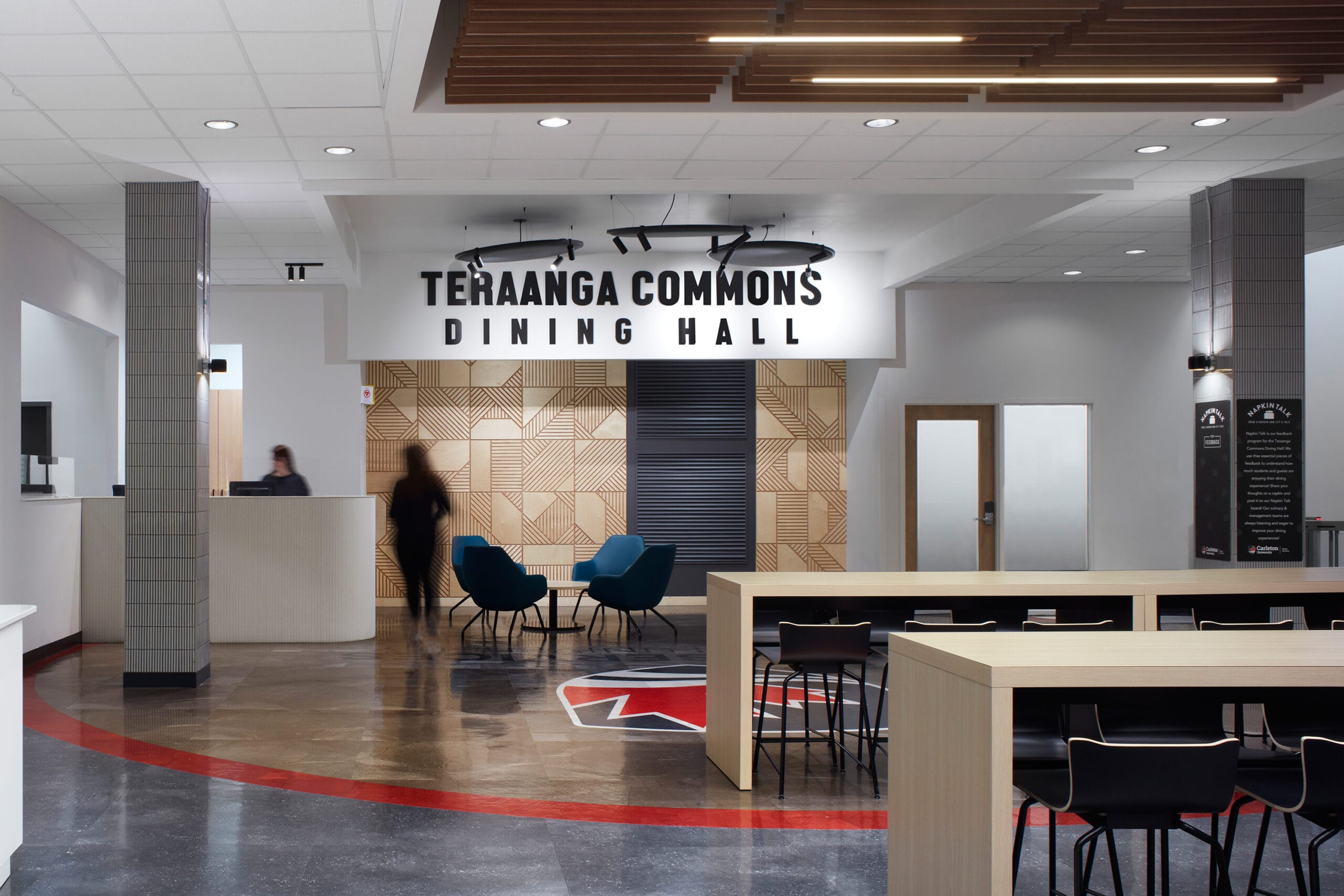
Carleton University — Teraanga Commons
Ottawa — daylight and occupancy sensors on a Lutron system hold a warm, steady level across the dining hall through the lunch rush and the quiet afternoon.

Forest and Nature School
Ottawa — daylight and occupancy sensors on a Lutron system tune the light for the childcare day, stepping down for nap time and back up for pick-up.

Federation of Canadian Municipalities
Ottawa — a Flux-designed Lutron Athena system across two floors at 66 Slater.
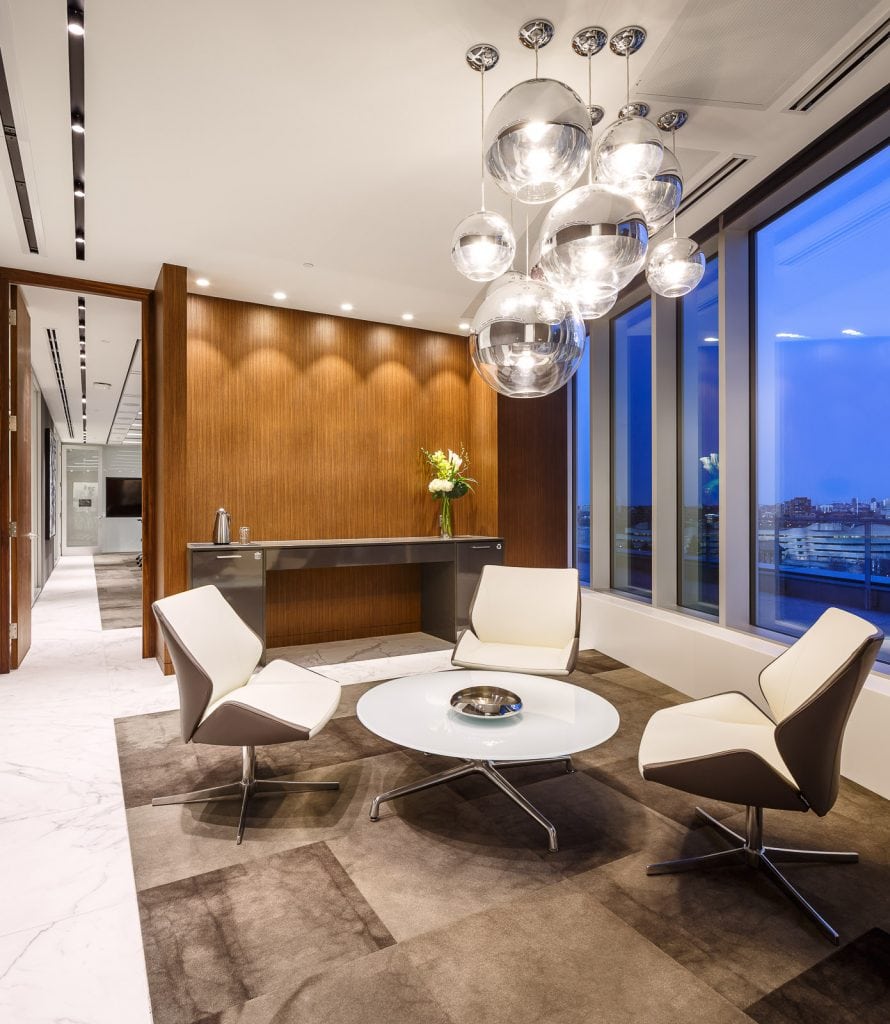
Brookfield Renewable
Gatineau — Lutron controls through the office floor and reception.
Start the conversation early
The controls decision is cheapest to get right at the beginning and most expensive to fix at the end. With information on the project type and floor area, whether it is new build or retrofit (and what wiring already exists), the certification target if there is one, and the budget the controls have to live inside. We will tell you what the building actually needs — and we will tell you if that is less than you were expecting.
Common questions
Who represents Lutron in Ottawa?
Flux Lighting. We are Lutron’s manufacturer’s agent for lighting controls and motorized shades across Eastern Ontario and Western Quebec, including Ottawa and Gatineau.
Can I specify Lutron through Flux Lighting?
Yes. We design the control system alongside the photometric work that drives it, review the submittals, and commission it on site with the electrical contractor.
Bring us in before the controls scope is fixed
Planning an office, government, healthcare, institutional or retrofit project? Our job is to put the right control layer on it — wired or wireless.
Get in touchRelated: Lutron on our line card · Our services · Office lighting projects · Ketra full-spectrum light