Flux Lighting is a manufacturer’s agent — the lighting rep that architects, interior designers, electrical engineers and contractors across Eastern Ontario and Western Quebec bring in when a project needs light. We have been doing it since 2002, from a showroom in Ottawa, with twenty-two people and over 100 manufacturer lines behind us.
Fixture selection and lighting design is what architects and interior designers most often bring us in for. Lighting is what we work on all day, so that part of the job can come to us and those hours go back into the rest of the building. You don’t have to do the lighting design yourself. What comes back is a lighting design that looks the way the project should look and lands where the budget actually is.
The rest is the work of a lighting consultant: reading the drawings, running the photometrics, laying out the fixtures, designing the controls, and staying on the file through submittals, approvals and site visits until the space is lit and the control system is commissioned. The order itself goes through a distributor to the electrical contractor. Our part is everything around it.
What we do
- Choose the fixtures and lay them out
- Run the photometrics in house
- Write the fixture schedule and specification
- Design the controls
- Price alternates and approved equals
- Manage submittals, schedules and deliveries
- Support the job on site where it is needed, from pre-wire to closeout
- Commission the controls with the electrical contractor
Product Selection & Consultation
Any number of fixtures will technically work. Knowing which one suits the room, the budget and the person signing off is the part that takes knowing the market — and it is the part most architects and interior designers hand to us. Tell us what the space has to do and what it has to cost, and the searching is ours: the comparing, the layout, and a fixture package you can put in front of a client.
An agency built around one large manufacturer specifies from that manufacturer, and it shows: the same fixtures turn up on project after project.
Nothing obliges us to favour one line over another, so every fixture on your drawing is there because it suited the room.
Architectural and industrial
Everything from recessed and linear to industrial fixtures.
Decorative
Statement pieces for the spaces where the fixture is meant to be seen.
Controls and shades
Lighting controls and shades, from Lutron.
Samples, finishes and mock-ups
Samples and finish swatches for many of the products we represent. And a mock-up in the showroom when a drawing won’t settle it.
Specification Support
Most of what we do happens before there is a purchase order. We read the drawings, put the fixture schedule together, and write the specification text that goes with it.
A named basis of design, the performance criteria that matter, and the terminology that makes the intent unambiguous. A spec with the criteria stated is a spec that holds up when it is challenged. You get the room you drew, not the one that was easiest to substitute.
When the budget moves — and it often does — we put up alternates and approved-equal packages, with the photometric comparison your engineer needs in order to approve them.


Photometric Analysis & Lighting Calculations
We bring the science of light to your project. Photometrics are run in house — in AGi32, in DIALux, or inside your Revit model — using the IES files we hold from the manufacturers we represent.
We work from your files. AutoCAD is what we receive most often, and Revit and SketchUp both work: we convert what you send for AGi32 or DIALux, or run the calculation inside your Revit model with ElumTools, the plug-in from Lighting Analysts.
You get back a fixture schedule, a calculation summary and a layout showing where each fixture sits, and a point-by-point showing the light levels it produces — issued under our own title block, ready to go into the set. Layouts and calculations are worked to the energy code that applies to the job: SB-10 in Ontario, Chapter I.1 (Energy Efficiency of Buildings) of the Construction Code in Quebec, or the NECB itself where a project calls for it. That covers the lighting power allowed for each space type and the controls it requires. We settle the compliance route with your electrical engineer and document the lighting to suit it, so the lighting package supports the building’s compliance rather than complicating it. Where a utility incentive is on the table, we can run the rebate study.
Controls Integration
Control problems are decided on paper. Long before anyone touches a keypad.
We turn the plans into zones and scenes, match drivers and protocols to the fixtures, and write the sequence the building will run on. Daylight harvesting, occupancy and vacancy sensing, partition sensing and motorized shades all come off the same drawing. Once it is installed, we commission it alongside the electrical contractor.

Our work does not end with the specification. We go to site on every project that needs us there.

Site Visits & On-Site Support
Where the project calls for it, we come to the pre-wire meeting before the walls close, and we come back as the job needs us. During site visits, we check installation progress, troubleshoot what comes up, and work with the project team to resolve installation issues before they become closeout problems.
If a fixture arrives wrong or a driver will not behave, call us and someone who knows the job will look at it. Where you want it, we walk the finished space with you to check it reads the way it was drawn.
Project Management
A lighting package slips in small ways. A finish substituted, a driver back-ordered, a delivery landing the week the ceiling closes. From planning and product delivery to coordinating installation timelines, we keep everything on track so the lighting is not what holds the job up.
Submittals, shop drawings and approvals are ours to chase. We flag long-lead items early and coordinate delivery so the fixtures arrive when the electrician is ready for them rather than three months beforehand. If something fails inside its warranty, we administer the claim with the manufacturer — you deal with us, not with a form on someone else’s website.


Education & Training
Product families, control platforms, energy-code requirements and lead times change faster than most project teams can track between deadlines. Our lunch-and-learns and product sessions stick to the decisions in front of you on current work: controls strategies, driver compatibility, photometric calculations, emergency lighting, shading and new product families.
Sessions run at your office or in our showroom, and can be CEU-accredited where the material qualifies.
See it built
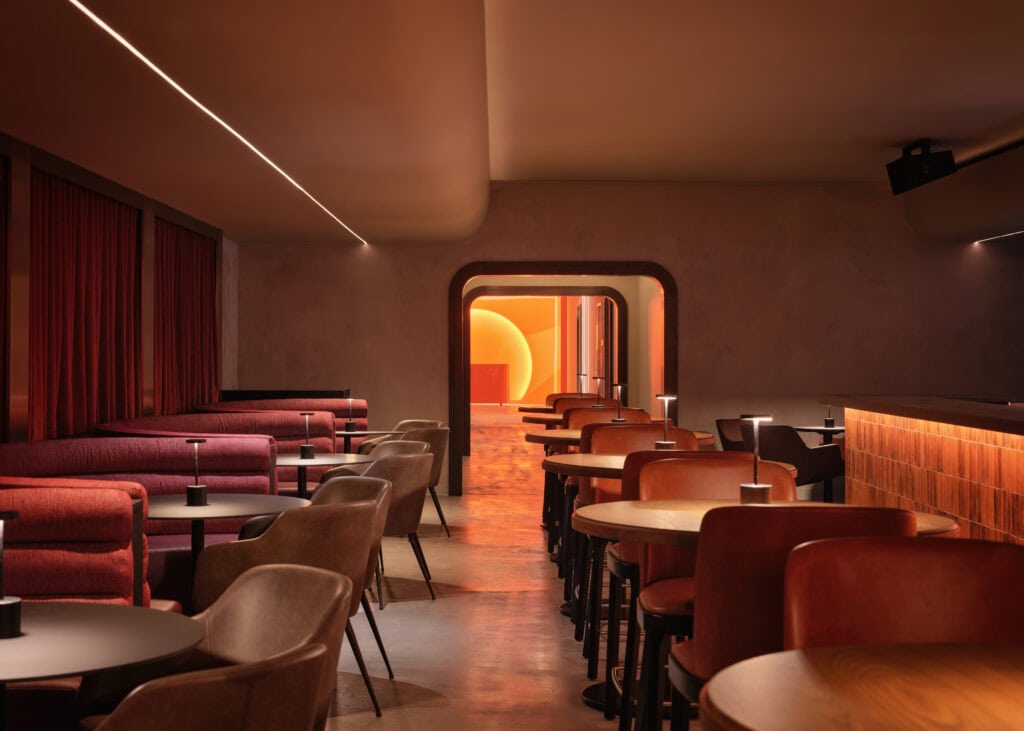
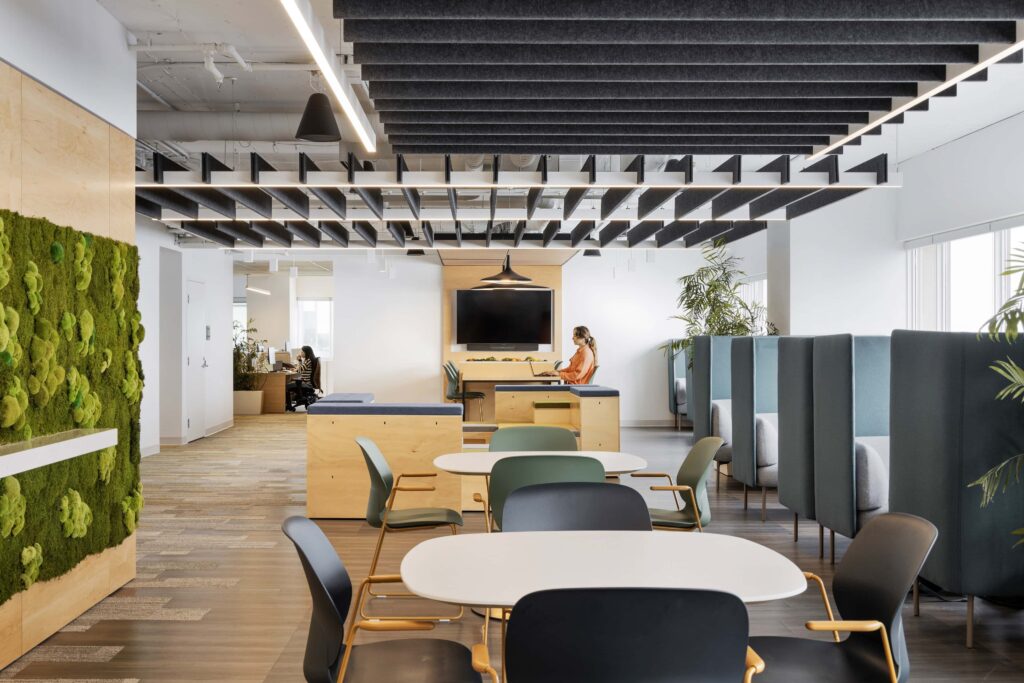
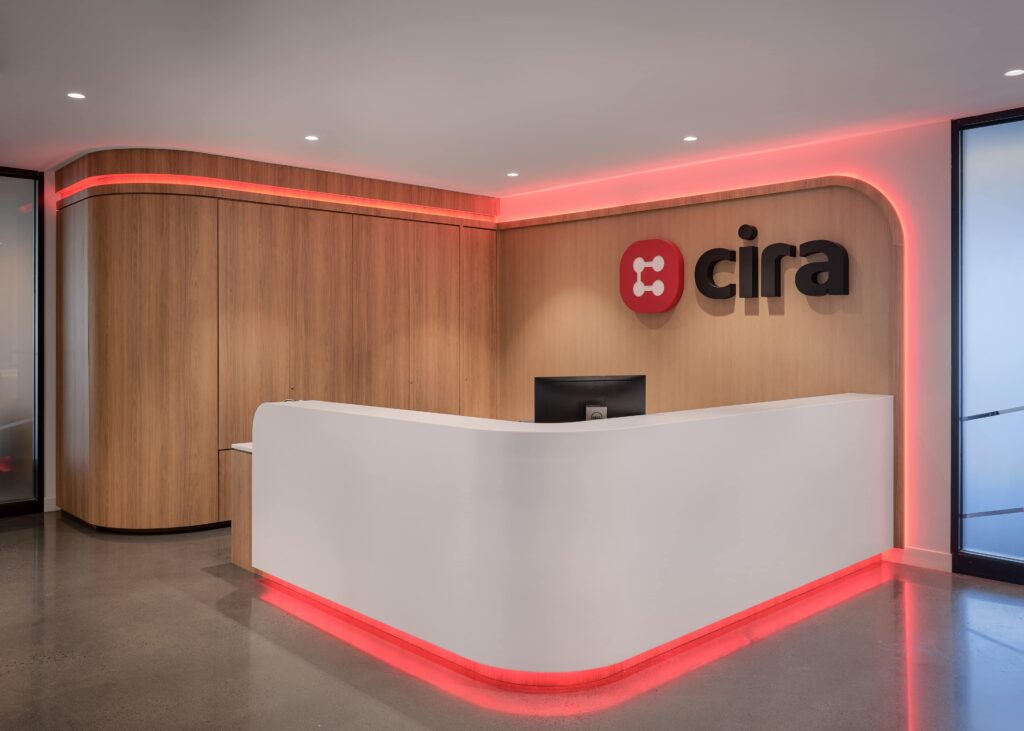
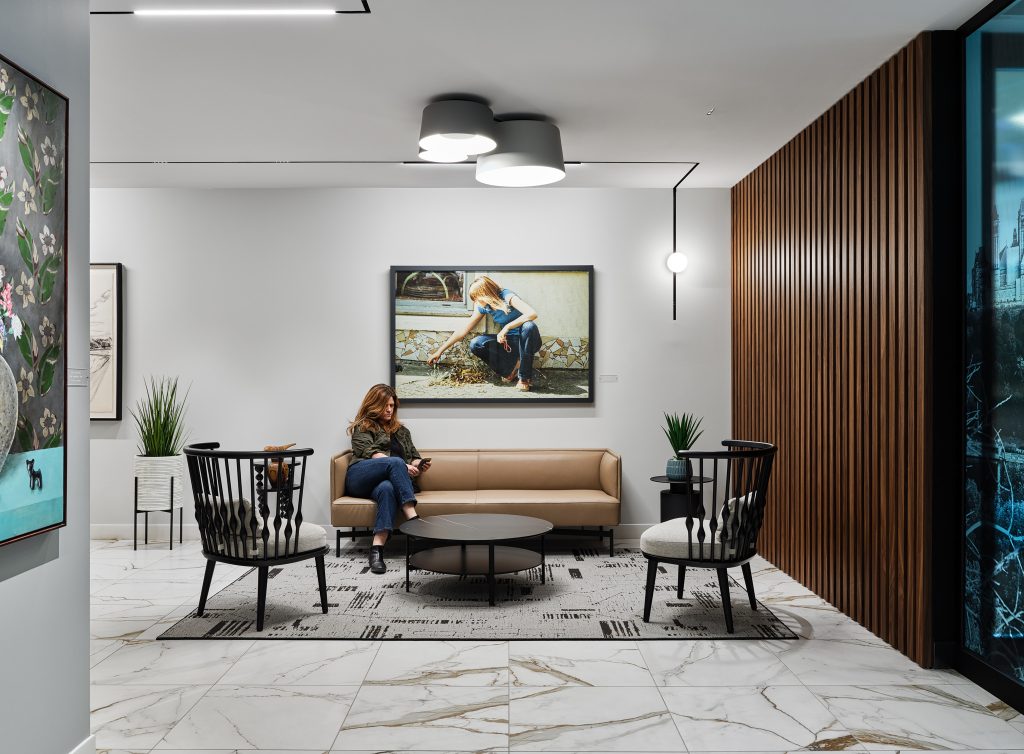
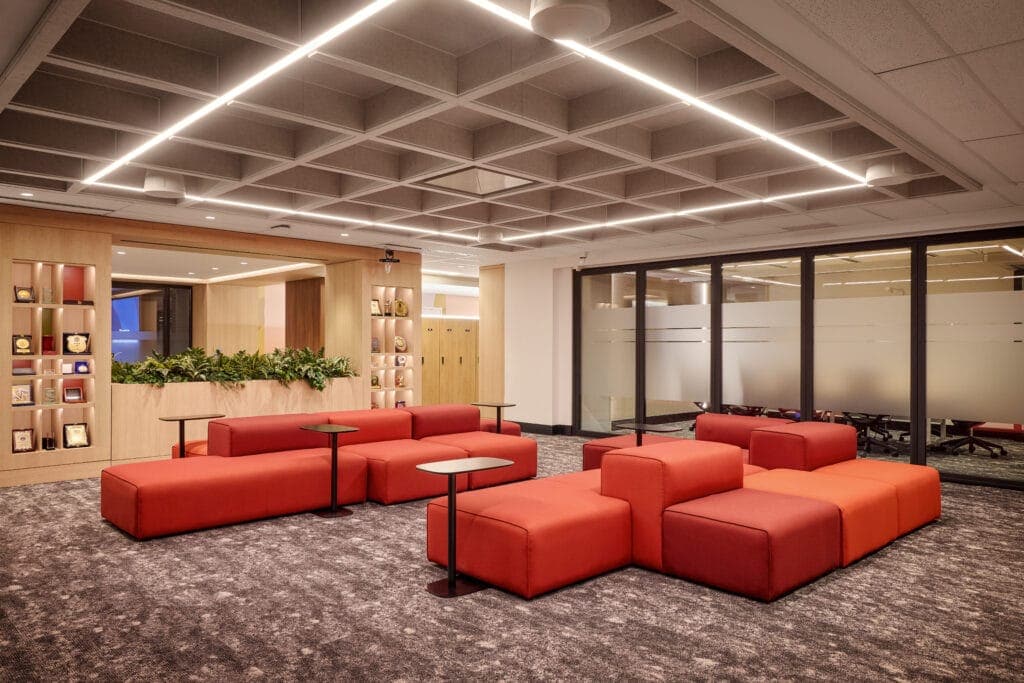
From drawing to building. Offices, campuses, healthcare, hospitality and public spaces across Eastern Ontario and Western Quebec. Every one of them ours, and photographed after completion.

Common questions
What does a manufacturer’s agent do?
We are the lighting side of your project team. We represent a range of manufacturers, help you choose among them, run the photometric calculations, lay out the fixtures, design the controls, and stay on the file through submittals and site visits until everything is installed and commissioned. Because we are not owned by one manufacturer, nothing obliges us to favour one line over another.
Do you sell lighting directly?
We are a manufacturer’s agent, not a distributor. We specify the lighting, controls and shades and support it through the project to completion, but the order itself is placed through an electrical distributor.
Send the drawings and we will mark them up
Layouts, fixture types, controls, the parts you are unsure about. You will get specification text ready to go into your set, and a schedule your estimator can price.
Talk to a lighting expertRelated: See our work · Our products · The showroom · About Flux